- The Brain Blooms Newsletter
- Posts
- One Step at a Time
One Step at a Time
Understanding and Supporting Those with Developmental Disabilities


Luis Garcia & Ujala Janjua
March 18, 2026
Hello guys! This is Luis Garcia, a volunteer in the Ruvvy Resilience Lab with a major in Psychology and a minor in Applied Behavior Analysis (ABA). You may remember me from a previous newsletter, Voices of Resilience.
In March, we celebrate Developmental Disabilities Awareness Month, first recognized in 1987. This initiative aims to increase public awareness and promote opportunities for individuals with developmental dsabilities and their families to reach their full potential and lead fulfilling lives.
What are Developmental Disabilities?
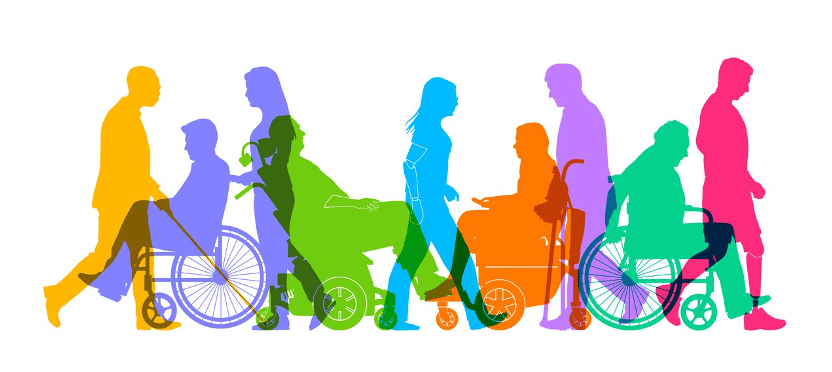
Developmental disabilities are defined as impairments in physical, learning, language, or behavioral areas according the Centers for Disease Control and Prevention (CDC). Examples of developmental disabilities include but are not limited to:
Autism spectrum disorder (ASD)
Down syndrome
Cerebral palsy
Attention-deficit/hyperactivity disorder (ADHD)
Learning or intellectual disabilities (e.g., dyslexia)
Hearing loss
Vision impairment
Epilepsy
Fetal alcohol syndrome (FAS)
Everyday Challenges of Developmental Disabilities
People living with developmental disabilities often experience a wide range of challenges. These can affect different areas of daily life including:
Communication skills
Self-care and independence
Social interactions
Academic or employment activities
Each individual’s experience is unique and shaped by their specific condition. Autism Spectrum Disorder (ASD) serves as one example. ASD encompasses a wide range of individual differences and presentations, so challenges can vary. However, some common difficulties include:
Limited communication or speech delays
Sensitivity to sensory stimuli (e.g., loud noises, bright lights)
Engagement in self-injurious behaviors (SIBs), such as:
Head banging
Slapping
Biting
Pinching
Eye gouging
SIBs may occur because individuals have difficulty expressing their emotions or are seeking sensory stimulation.
Another common challenge is attentiveness. Many children with ASD may have difficulty responding when their name is called, like when a caregiver calls their child for dinner, but the child does not respond. Even when the caregiver approaches and calls again, the child may continue their activity without acknowledging them. This is not necessarily the child ignoring the parent, but rather that they may have difficulty recognizing that they are being addressed.
Familial and Caregiving Experiences
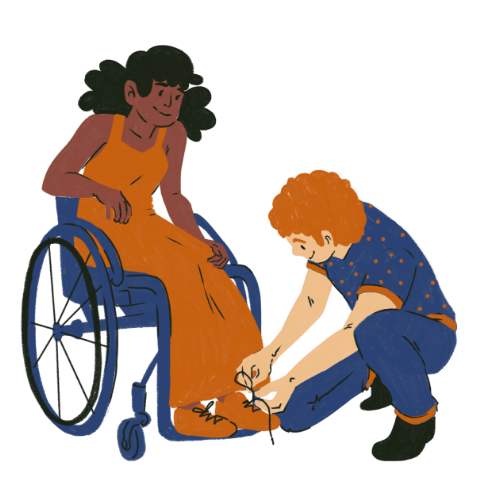
Living with a developmental disability means that life may look a little different for both the individual with a developmental disability and their family/caregiver(s). Family dynamics may shift, activities and vacations might need to be adjusted or planned differently, and daily routines can be impacted. While this can feel overwhelming at first, we are fortunate to live in a time where resources and support for individuals and their families are widely available.
Available Resources and Support
There are many organizations and services available to support individuals with developmental disabilities and their families. These resources cover areas such as:
Disability rights and legal support
Education and employment services
Financial assistance
Independent living support
Family and caregiver support
Self-advocacy and community inclusion
Some examples include:
Alongside these organizations, Applied Behavior Analysis (ABA) provides direct, specialized support for individuals with ASD.
ABA services are typically offered in clinics, homes, or schools and focus on helping children build essential life skills. Each child receives an individualized assessment, followed by a treatment plan developed by a Board Certified Behavior Analyst (BCBA) and implemented by Registered Behavior Technicians (RBTs).
These programs often focus on:
Communication skills (including alternative communication for non-verbal children)
Social skills development
Daily routines (e.g., bathroom schedules)
Replacing maladaptive behaviors with appropriate alternatives
For example, a child may be taught to tap someone’s shoulder to gain attention instead of using aggressive behaviors.
Overall, these resources play a crucial role in supporting individuals and their families. Taking the time to understand a condition, access appropriate services, and monitor progress can lead to meaningful improvements over time.
Voices of Resilience
Although individuals with developmental disabilities face challenges that may be uncommon for others, these challenges do not prevent them from achieving their full potential.
One well-known example is Helen Keller. After contracting an illness as an infant, she became both deaf and blind. Despite this, she went on to become a successful author and an activist for disability rights, women’s suffrage, and world peace. She was also one of the founders of the American Civil Liberties Union (ACLU), which remains active today.
Another example is Armani Williams. A current NASCAR driver, he is the first driver to publicly share his autism diagnosis. In addition to competing professionally, he is also studying chemical engineering.
Actor RJ Mitte, best known for his role as Walter White Jr. in Breaking Bad, has cerebral palsy. Although many initially assumed he was only acting, he has since then openly shared his diagnosis.
These individuals highlight the power of resilience to overcoming obstacles and achieving success. Their stories remind us of a few important truths:
No matter who you are, what you look like, or where you come from, there is strength within all of us.
Life will present challenges, some greater than others, but those challenges do not define your potential.
Each person is unique, with their own experiences, circumstances, and paths to success.
The world is full of opinions and limitations placed on others, but it is up to you, as an individual with agency, resilience, and determination, to push past those boundaries and achieve your goals. You can and you will!
The Greenhouse of the Mind:
Resources to Help You Bloom

|
Help Support Science Content & Communication
Our team is so excited to get the word out to the people we serve and inform for FREE … and your support will allow us to put more resources and energy into doing precisely that.
Your donations help fund the creation of content that translates our research into practice.
Consider supporting our outreach efforts: